
- Enhance Your Curves With Your Own Fat: Achieve fuller, natural-looking volume without implants.
- Sculpt Your Waist While Enhancing Your Shape: Remove stubborn fat to create balanced, hourglass contours.
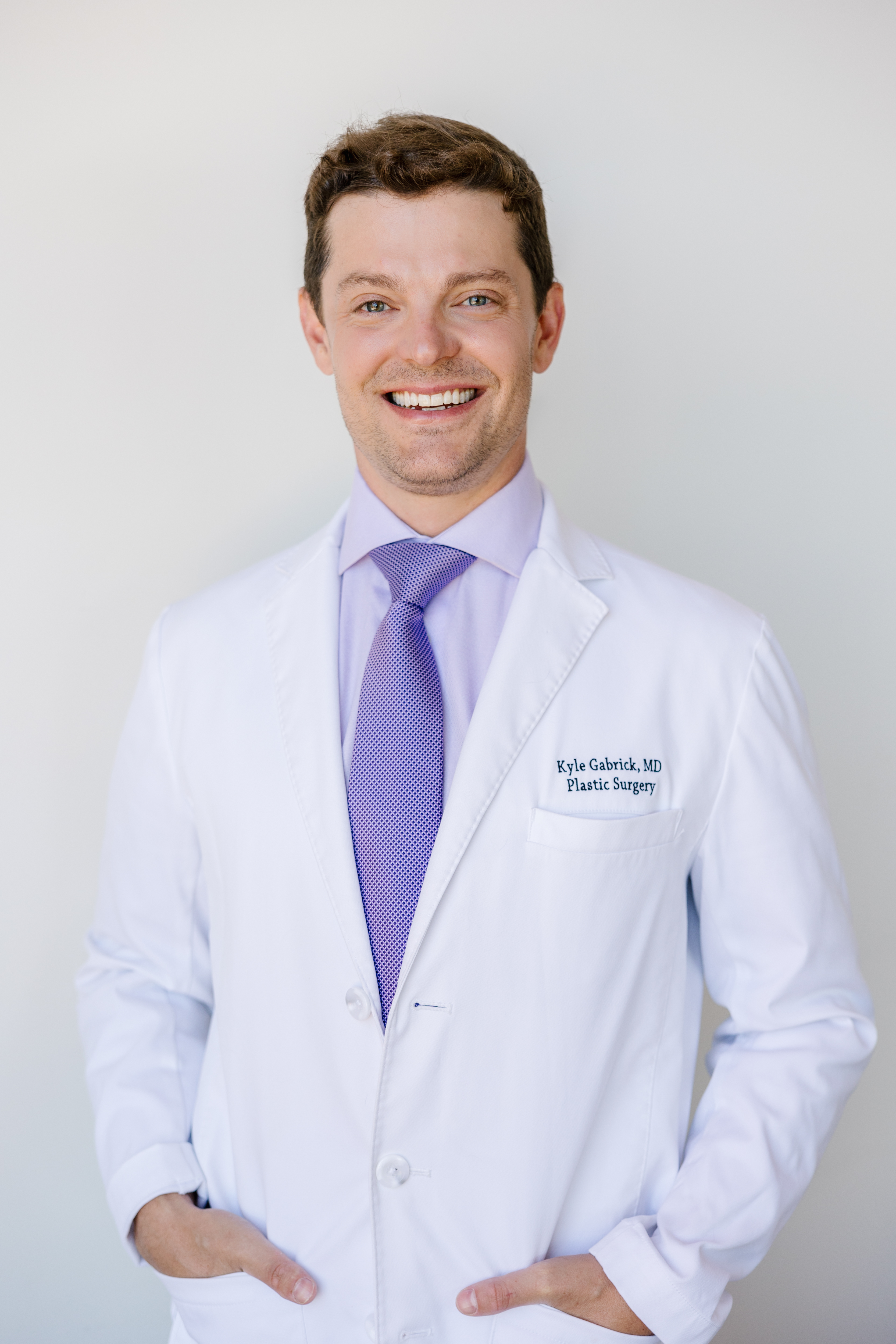
- Natural-Looking Results By A Board-Eligible Surgeon: Precision fat transfer techniques designed for smooth, proportional results.






How long do BBL results last?
When the transferred fat cells establish a blood supply, the results can last for many years. However, weight fluctuations and aging may affect the results over time.
Is BBL surgery safe?
Yes—with proper technique. Following current safety protocols, Dr. Gabrick uses ultrasound guidance and avoids deep muscle injection.
Will all the fat survive the transfer?
Typically, 60–80% of the transferred fat remains permanently. Some resorption is expected.
Can I combine BBL with other procedures?
Yes. BBL is often paired with breast surgery or a tummy tuck for full-body rejuvenation.
What are donor areas?
Common donor areas include the abdomen, flanks, lower back, thighs, and arms.
Can thin patients have a BBL?
Yes—with the Mini BBL or advanced liposuction techniques, even lean patients may qualify.
Is it painful?
You’ll have post-op soreness, especially in liposuction areas. Most patients manage well with prescribed pain medication.
What’s the downtime?
Most patients should plan for a recovery period of 14 to 21 days with activity restrictions. While some may feel well enough to resume light tasks sooner, full recovery depends on factors like whether you’ll be upright all day or need to sit directly on your rear, such as for driving or desk work. We'll provide personalized guidance based on your lifestyle and job demands.
Will I have scars?
Scars are minimal—just a few tiny incisions from liposuction and fat transfer, typically hidden in natural creases.
When can I exercise again?
Light walking begins immediately. Strenuous workouts can resume after 4–6 weeks.
What are the risks of a BBL?
Risks include fat embolism, asymmetry, infection, and fat resorption. Choosing a qualified surgeon significantly reduces these risks.